How Plastic Repurposing Increases Margins for Manufacturers
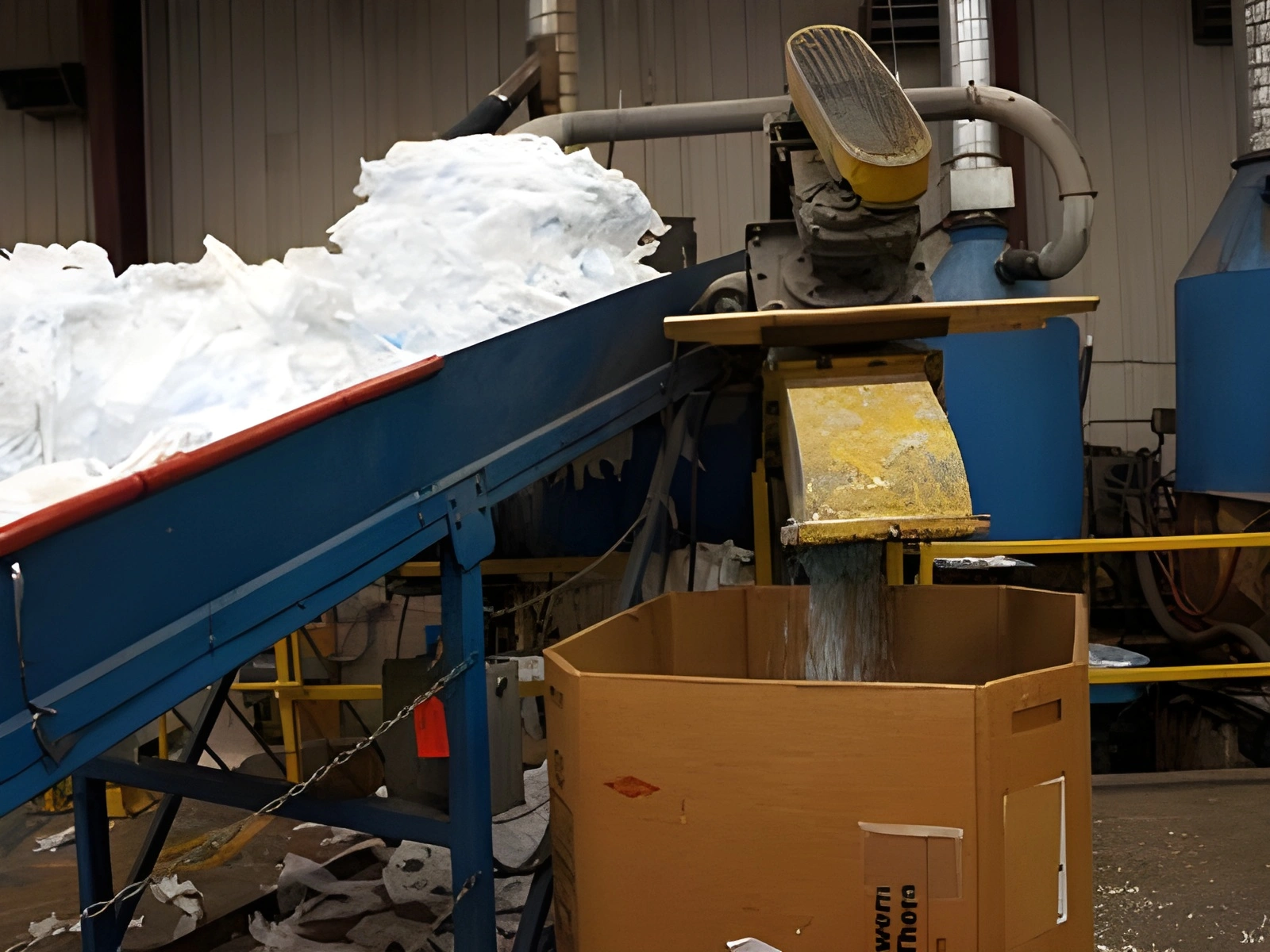
Most manufacturers think of plastic waste as an unavoidable cost of doing business. But that scrap, trim, and off-spec material sitting in your bins is trapped margin. Repurposing it doesn't just help the environment, it directly widens the gap between what you spend and what you keep.
Every tonne of plastic you send to landfill is pure margin erosion. You pay tipping fees, hauling, and bin rental for material you already bought, and you earn nothing back.
Repurposing removes that cost entirely for the streams we accept. Instead of writing a cheque to a waste hauler each month, that spend simply disappears from your cost structure. For a plant generating a few tonnes of plastic waste per week, that alone can mean tens of thousands of dollars a year flowing straight back to the bottom line (see the full landfill cost breakdown).
Disposal is a cost. Repurposing flips it into income.
Rather than paying to remove excess and off-spec plastic, manufacturers can sell it to EPL Plastics as feedstock. The same material that used to carry a negative value now carries a positive one. That's a double swing on your margin:
- Before: pay to dispose of waste (cost)
- After: get paid for the same waste (revenue)
The net improvement is the disposal cost you avoid plus the price you receive, on material you were going to discard anyway (learn about toll processing).
The biggest margin gain often comes from the buy side. Virgin resin prices swing with oil markets, supply shocks, and global demand, making input costs unpredictable and squeezing margins without warning.
Repurposed plastics offer a lower-cost, more stable alternative. By reintroducing recycled material into production, either on its own or blended with virgin resin, manufacturers can:
- Reduce reliance on volatile virgin resin pricing
- Lock in more predictable material costs
- Protect margins against market spikes
Producing from repurposed plastics also requires up to 70% less energy than virgin production (TradePro), a cost advantage that compounds at scale.
Each lever helps on its own. Together, they reshape the economics of your plastic entirely:
- Costs go down — disposal fees disappear and input costs drop
- Revenue goes up — waste becomes a sellable feedstock
- Volatility goes down — recycled material steadies your cost base
The result is a wider, more resilient margin built from material you already handle every day. Nothing about your output changes; only the economics improve.
Higher margins only matter if product quality holds. Properly processed industrial plastic waste is typically cleaner and more uniform than post-consumer material, and can match the performance of virgin resin in many applications.
EPL Plastics engineers custom repurposed and blended materials to meet precise performance, dimensional, and regulatory requirements, so you capture the margin gains without sacrificing the specifications your customers expect.
If your plastic waste is going to landfill, your margins are leaking. Repurposing closes that leak from both directions, cutting costs and creating revenue at the same time.
At EPL Plastics, we help manufacturers uncover exactly how much margin is sitting in their waste streams. Tell us your material types and volumes, and we'll help you compare your current disposal costs against what that material is worth as feedstock.
Q: How does plastic repurposing actually increase margins?
A: It works on three fronts: eliminating disposal costs, turning waste into a revenue stream, and lowering input costs by replacing or blending expensive virgin resin with repurposed material.
Q: Is repurposed plastic cheaper than virgin resin?
A: Generally yes, and it's also more price-stable. Virgin resin tracks volatile oil and petrochemical markets, while repurposed material offers a more predictable cost base.
Q: Will using repurposed plastic hurt my product quality?
A: Not when it's processed correctly. Industrial plastic waste is cleaner and more uniform than post-consumer waste, and EPL Plastics engineers materials to meet your exact specifications.
Q: Which plastics offer the best margin opportunity?
A: Polypropylene (PP), Polyethylene (PE), and Polystyrene (PS) are widely repurposed and commonly generated as industrial waste, making them strong candidates.
Q: How do I find out how much margin is in my waste?
A: Reach out to EPL Plastics with your material types and volumes, and we'll help you quantify the savings and revenue potential.
Margin Lever 1: Eliminate Disposal Costs
Every tonne of plastic you send to landfill is pure margin erosion. You pay tipping fees, hauling, and bin rental for material you already bought, and you earn nothing back.
Repurposing removes that cost entirely for the streams we accept. Instead of writing a cheque to a waste hauler each month, that spend simply disappears from your cost structure. For a plant generating a few tonnes of plastic waste per week, that alone can mean tens of thousands of dollars a year flowing straight back to the bottom line (see the full landfill cost breakdown).
Margin Lever 2: Turn Waste Into Revenue
Disposal is a cost. Repurposing flips it into income.
Rather than paying to remove excess and off-spec plastic, manufacturers can sell it to EPL Plastics as feedstock. The same material that used to carry a negative value now carries a positive one. That's a double swing on your margin:
- Before: pay to dispose of waste (cost)
- After: get paid for the same waste (revenue)
The net improvement is the disposal cost you avoid plus the price you receive, on material you were going to discard anyway (learn about toll processing).
Margin Lever 3: Lower Your Input Costs
The biggest margin gain often comes from the buy side. Virgin resin prices swing with oil markets, supply shocks, and global demand, making input costs unpredictable and squeezing margins without warning.
Repurposed plastics offer a lower-cost, more stable alternative. By reintroducing recycled material into production, either on its own or blended with virgin resin, manufacturers can:
- Reduce reliance on volatile virgin resin pricing
- Lock in more predictable material costs
- Protect margins against market spikes
Producing from repurposed plastics also requires up to 70% less energy than virgin production (TradePro), a cost advantage that compounds at scale.
The Combined Effect on Margins
Each lever helps on its own. Together, they reshape the economics of your plastic entirely:
- Costs go down — disposal fees disappear and input costs drop
- Revenue goes up — waste becomes a sellable feedstock
- Volatility goes down — recycled material steadies your cost base
The result is a wider, more resilient margin built from material you already handle every day. Nothing about your output changes; only the economics improve.
Quality Without Compromise
Higher margins only matter if product quality holds. Properly processed industrial plastic waste is typically cleaner and more uniform than post-consumer material, and can match the performance of virgin resin in many applications.
EPL Plastics engineers custom repurposed and blended materials to meet precise performance, dimensional, and regulatory requirements, so you capture the margin gains without sacrificing the specifications your customers expect.
Take Action: Find the Margin in Your Waste
If your plastic waste is going to landfill, your margins are leaking. Repurposing closes that leak from both directions, cutting costs and creating revenue at the same time.
At EPL Plastics, we help manufacturers uncover exactly how much margin is sitting in their waste streams. Tell us your material types and volumes, and we'll help you compare your current disposal costs against what that material is worth as feedstock.
FAQ: Plastic Repurposing and Margins
Q: How does plastic repurposing actually increase margins?
A: It works on three fronts: eliminating disposal costs, turning waste into a revenue stream, and lowering input costs by replacing or blending expensive virgin resin with repurposed material.
Q: Is repurposed plastic cheaper than virgin resin?
A: Generally yes, and it's also more price-stable. Virgin resin tracks volatile oil and petrochemical markets, while repurposed material offers a more predictable cost base.
Q: Will using repurposed plastic hurt my product quality?
A: Not when it's processed correctly. Industrial plastic waste is cleaner and more uniform than post-consumer waste, and EPL Plastics engineers materials to meet your exact specifications.
Q: Which plastics offer the best margin opportunity?
A: Polypropylene (PP), Polyethylene (PE), and Polystyrene (PS) are widely repurposed and commonly generated as industrial waste, making them strong candidates.
Q: How do I find out how much margin is in my waste?
A: Reach out to EPL Plastics with your material types and volumes, and we'll help you quantify the savings and revenue potential.