The Hidden Math of Landfill Disposal Costs for Manufacturers
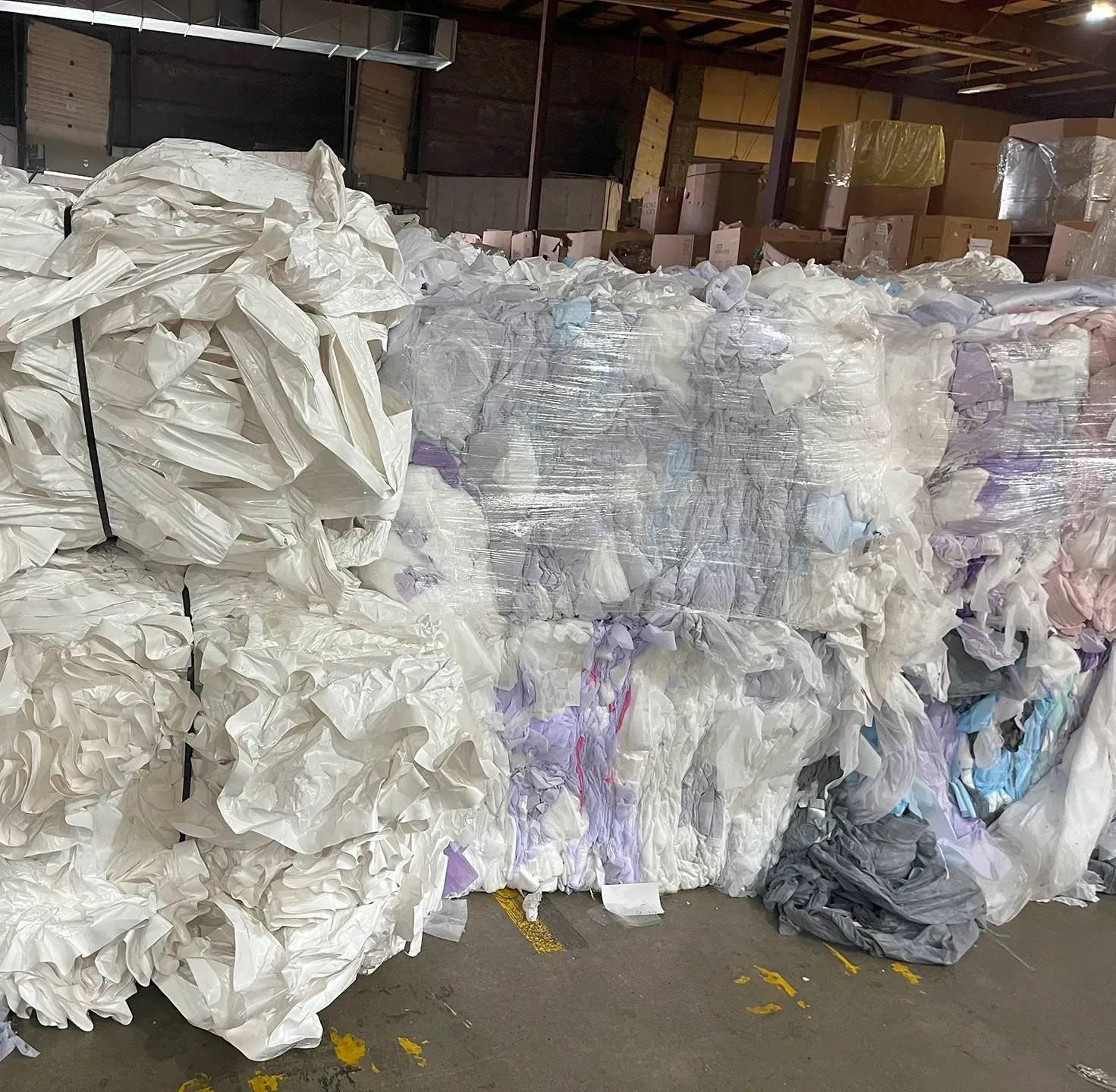
For most manufacturers, landfill disposal feels like a small, fixed cost: just another invoice from the waste hauler each month. But once you do the math, the true cost of sending plastic waste to landfill is far higher than the number on that invoice. And it grows every year.
Tipping fees don't stay flat. Disposal costs in the U.S. have risen nearly 30% since 2016 in inflation-adjusted terms (EREF analysis). Assuming a modest 5% annual increase in disposal costs:
A: The invoice usually reflects the tipping fee, but the real cost also includes hauling, bin rental, levies, and the lost market value of the plastic you're burying.Q: How much can a manufacturer realistically save?
A: It depends on tonnage, but a plant generating a few tonnes of plastic waste per week can spend tens of thousands of dollars annually on disposal, much of which can be eliminated or converted into revenue through recycling.Q: Do landfill costs really keep rising?
A: Yes. According to the Environmental Research & Education Foundation (EREF), U.S. landfill tipping fees rose 10% in 2024 alone to an average of $62.28/ton, and have climbed nearly 30% since 2016 in real terms (Waste Advantage Magazine). A cost that seems manageable today compounds significantly over a 5-year horizon.Q: Which plastics can EPL Plastics take instead of landfill?
A: We commonly accept Polypropylene (PP), Polyethylene (PE), and Polystyrene (PS), including off-spec and excess industrial plastic.Q: How do I find out what my plastic waste is worth?
A: Reach out to EPL Plastics with your material types and volumes, and we'll help you compare your current disposal costs against its value as recycled feedstock.
Why Landfill Costs Are Bigger Than They Look
The price you pay to landfill a tonne of plastic isn't a single number. It's a stack of charges that add up:- Tipping fees: The per-tonne charge to dump at the landfill.
- Bin and equipment rental: Monthly charges for roll-off bins and compactors.
- Provincial and environmental levies: Surcharges and taxes layered on top of the base tipping fee.
- Lost material value: The plastic you're paying to bury still has real market value as feedstock.
The Math: How a "Small" Cost Adds Up
Here's a realistic example for a mid-sized manufacturer producing off-spec and excess plastic waste. Assume the plant generates 3 tonnes of plastic waste per week.Step 1 — Annual tonnage- 3 tonnes/week × 52 weeks = 156 tonnes/year
- 156 tonnes × $100/tonne (tipping fee) = $15,600/year
- Hauling at ~$45/tonne: 156 × $45 = $7,020
- Bin rental at ~$250/month: $3,000
- Subtotal: $10,020/year
- $15,600 + $10,020 = $25,620/year
Tipping fees don't stay flat. Disposal costs in the U.S. have risen nearly 30% since 2016 in inflation-adjusted terms (EREF analysis). Assuming a modest 5% annual increase in disposal costs:
- Year 1: $25,620
- Year 2: $26,901
- Year 3: $28,246
- Year 4: $29,658
- Year 5: $31,141
Turning the Cost Into Revenue
The numbers flip the moment plastic waste stops going to the landfill. By partnering with EPL Plastics, manufacturers can:- Eliminate disposal fees for the plastic streams we accept
- Generate revenue by selling excess and off-spec plastic instead of paying to bury it (EPL Plastics)
- Reduce raw material spend by reintroducing recycled plastics into production
- Stay compliant with regulations like Blue Box EPR while improving ESG performance
Take Action: Stop Paying to Bury Value
Landfill disposal is rarely treated as a strategic decision, but the math says it should be. Every tonne buried is a tonne you paid for, paid to remove, and earned nothing from.At EPL Plastics, we help North American manufacturers turn that recurring loss into financial and environmental value: lowering costs, generating revenue, and supporting a more sustainable manufacturing ecosystem.Want to see the numbers for your own operation? Use our Plastic Savings Calculator to estimate what you could save by diverting your plastic waste from landfill, then request a quote.FAQ: Landfill Disposal Costs
Q: Why is landfill disposal more expensive than the invoice shows?A: The invoice usually reflects the tipping fee, but the real cost also includes hauling, bin rental, levies, and the lost market value of the plastic you're burying.Q: How much can a manufacturer realistically save?
A: It depends on tonnage, but a plant generating a few tonnes of plastic waste per week can spend tens of thousands of dollars annually on disposal, much of which can be eliminated or converted into revenue through recycling.Q: Do landfill costs really keep rising?
A: Yes. According to the Environmental Research & Education Foundation (EREF), U.S. landfill tipping fees rose 10% in 2024 alone to an average of $62.28/ton, and have climbed nearly 30% since 2016 in real terms (Waste Advantage Magazine). A cost that seems manageable today compounds significantly over a 5-year horizon.Q: Which plastics can EPL Plastics take instead of landfill?
A: We commonly accept Polypropylene (PP), Polyethylene (PE), and Polystyrene (PS), including off-spec and excess industrial plastic.Q: How do I find out what my plastic waste is worth?
A: Reach out to EPL Plastics with your material types and volumes, and we'll help you compare your current disposal costs against its value as recycled feedstock.