The Future of Plastic: Why Recycling Is Where the Industry Is Heading
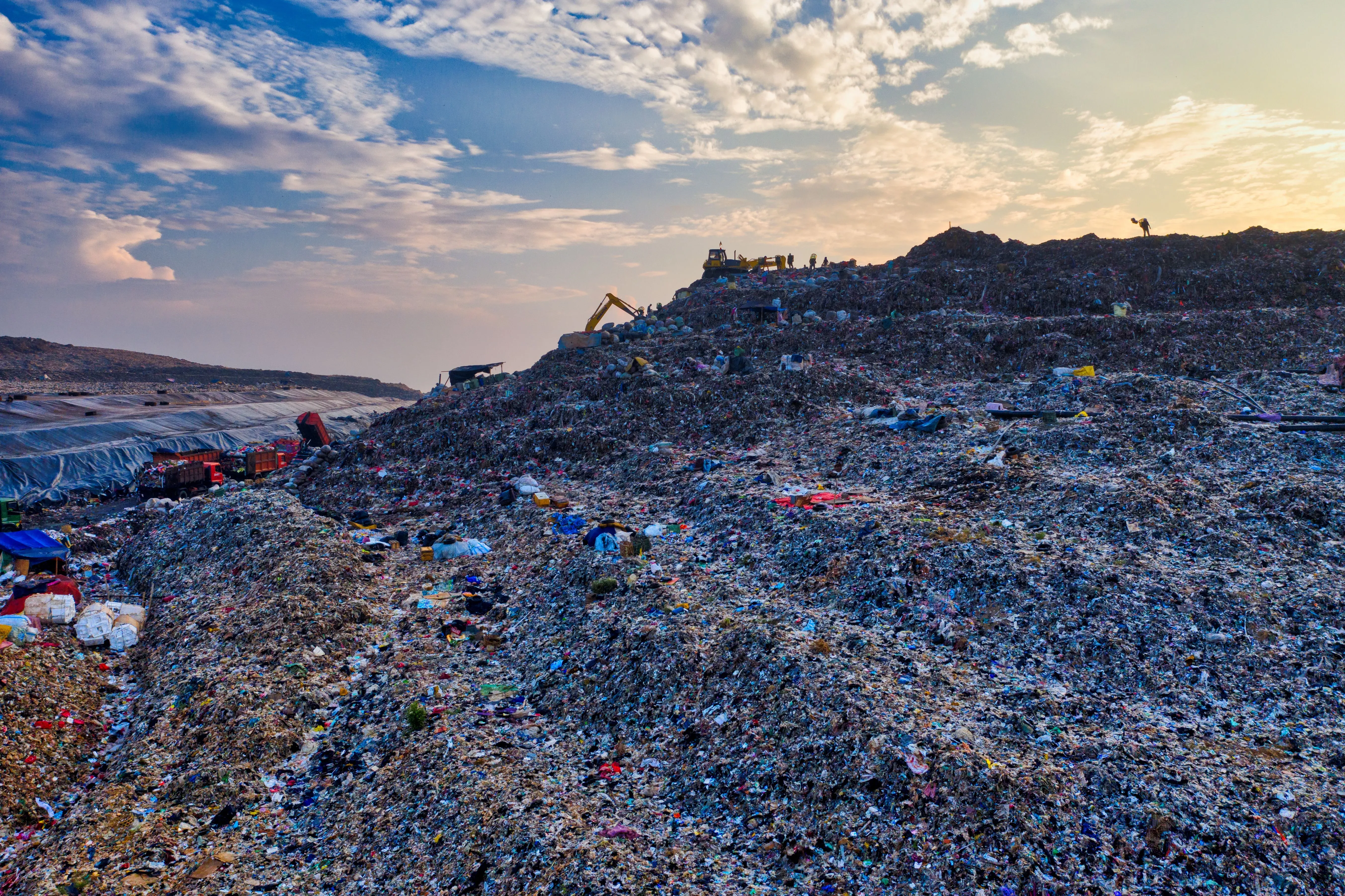
Plastic is not going anywhere. The world will keep making it, using it, and depending on it for decades. What is changing, and changing fast, is what happens to that plastic once it has been used. The direction is clear, and the companies that recycle their waste now are the ones setting themselves up for the next decade rather than scrambling to catch up later.
At EPL Plastics, we work with manufacturers who would rather get ahead of that change than wait for it to force their hand.
Plastic Isn't Slowing Down, But the Rules Are Tightening
The scale of plastic today is hard to overstate. The world produced roughly 460 million tonnes of plastic in 2019, and the OECD expects that to keep climbing, with plastic waste set to almost triple, from 353 million tonnes in 2019 to over a billion tonnes by 2060 (OECD).
Here is the part that should get every manufacturer's attention: only about 9% of the world's plastic waste is recycled today. Close to half goes to landfill, and much of the rest is burned or lost to the environment. That gap between how much we make and how little we recover is exactly what governments, customers, and markets have decided to close.
The Old Landfill Model Is on Its Way Out
For most of plastic's history, the plan for a used product was simple: bury it. That approach is running out of road.
There is a business problem sitting inside the environmental one. When you send plastic to a dump, you have paid for that material once, you pay again to get rid of it, and you get nothing back. Disposal costs keep rising, so that quietly gets more expensive every year (here's what landfill disposal actually costs). As recovery becomes the norm, the businesses still leaning on cheap disposal will be the ones left paying the most for the least.
Where Things Are Heading
The shift toward recycling and reuse is not a prediction anymore. It is already underway, and it is picking up speed.
Canada has banned a range of single-use plastics, and the EU is phasing out unnecessary single-use packaging while requiring more recycled content in what remains (Government of Canada; European Commission). On the global stage, United Nations members are working through a Global Plastics Treaty aimed at cutting plastic pollution across production, product design, and waste (UNEP).
None of these are finished, and the fine print is still being argued over. But the direction has been settled for a while now. Recycled content is moving from a bonus to a baseline, and the whole industry is being pulled toward a circular model where material stays in use instead of being thrown out. The question for most businesses is not whether this reaches them, but how ready they are when it does.
Getting Ahead of the Curve
Waiting until recycling is mandatory is the expensive way to do this. The companies that start now tend to come out better on nearly every measure that matters.
Recycling your industrial plastic cuts the disposal fees you are already paying, and in many cases the waste is worth money as feedstock rather than costing money to remove (how repurposing widens your margins). Recycled material also leans less on virgin resin, which rises and falls with oil prices, so your input costs get steadier and easier to plan around (why oil prices push plastic prices up).
Then there is the market itself. Customers, partners, and buyers increasingly ask what a supplier is doing with its waste, and recycled content is turning into a condition of winning work rather than a talking point. A business that already treats its plastic as a resource does not have to reinvent anything when the question comes up. It just answers it.
How EPL Plastics Fits In
We are a family-owned Canadian company, and our job is straightforward. We buy and process industrial plastic waste and turn it back into high-performance repurposed material, so what used to be a cost on your books becomes something with real value.
If you want a sense of the numbers before you talk to anyone, our Plastic Savings Calculator will estimate what your waste is costing you and what you stand to save.
Take Action: Move Before You Have To
Plastic production is heading up, and the pressure to recover rather than bury it is heading up right alongside it. The next stretch of this story is about keeping material in use, and that part is already happening.
Move early and you are not just ready for whatever the rules become. You are cutting costs, steadying your supply, and building a stronger story for your customers right now. Talk to EPL Plastics about turning your industrial plastic waste into an advantage.
FAQ: The Future of Plastic and Recycling
Q: Is plastic use actually going to keep growing?
A: Yes. The OECD projects plastic waste will almost triple by 2060. Plastic isn't disappearing, but the expectation to recycle and reuse it instead of landfilling it is growing just as fast.
Q: How much plastic actually gets recycled today?
A: Globally, only about 9% of plastic waste is recycled. Close to half is sent to landfill, according to the OECD, which is exactly the gap current policy is trying to close.
Q: Why should a business recycle its plastic waste now instead of later?
A: Recycling lowers rising disposal costs, can turn waste into revenue or cheaper feedstock, steadies your material supply, and puts you ahead of tightening rules and customer expectations, rather than reacting to them under pressure.
Q: Is the world really moving away from landfill?
A: Yes. Single-use bans, recycled-content requirements, and the in-progress UN Global Plastics Treaty are all pushing businesses toward recycling and reuse instead of disposal.
Q: Which plastics can be recycled with EPL Plastics?
A: We commonly accept industrial Polypropylene (PP), Polyethylene (PE), and Polystyrene (PS), including off-spec and excess material.