Why the Iran Conflict Is Driving Up Plastic Prices, and Why Recycled Materials Are the Answer
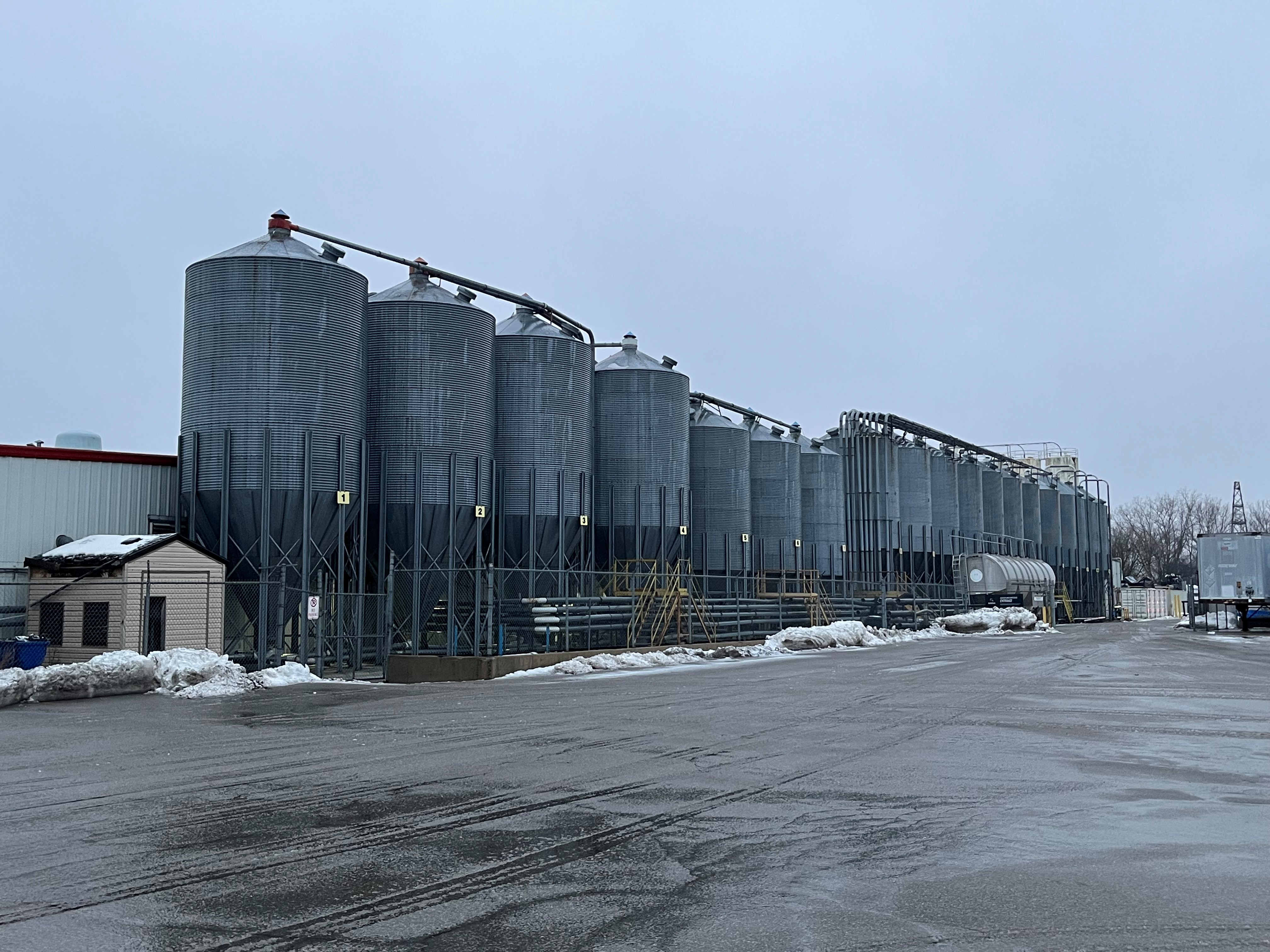
The conflict involving Iran has sent shockwaves through global energy markets, pushing crude oil above $114 per barrel, its highest level since 2022 (Euronews). For manufacturers that depend on plastic, this isn't just a headline about fuel prices, it's a direct hit to the cost and availability of the materials your business runs on.
At EPL Plastics, we're seeing growing interest from manufacturers looking to insulate themselves from this volatility. The answer, increasingly, is recycled and repurposed materials.
Virtually all virgin plastic begins as oil and natural gas. Resins like polypropylene (PP), polyethylene (PE), and polystyrene (PS) are made from petrochemical feedstocks refined from crude. When oil gets more expensive, so does the raw material at the very start of the plastic supply chain. (For a deeper look at the cost case for recycling, see the key benefits of recycling industrial plastic waste.)
The chain is direct:
- Oil prices rise due to supply fears and geopolitical risk
- Petrochemical feedstock costs rise as refineries pay more for crude
- Virgin resin prices rise for every manufacturer downstream
- Your input costs rise, squeezing margins on finished products
That's why a conflict thousands of kilometres away shows up on your material invoices weeks later.
The current situation is especially sharp because of *where* the disruption is. Markets are worried about the Strait of Hormuz, the shipping route that carries roughly 20% of the world's oil. Analysts have warned that if the conflict drags on and the strait is disrupted, oil could spike toward $200 a barrel (Seeking Alpha).
When supply is uncertain, manufacturers don't just pay more, they sometimes can't get material at all. Lead times stretch, allocations tighten, and production planning becomes guesswork. For businesses that rely on a steady flow of virgin resin, that's an existential risk. Building a domestic stream through recycled material sourcing is one way to take that risk off the table.
Here's the part many manufacturers underestimate: even if the conflict ended tomorrow, plastic prices wouldn't drop back overnight. Energy markets and supply chains take time to recover. Refineries, shipping routes, resin producers, and distributors all rebuild inventory and reset contracts gradually, so the elevated costs linger long after the headlines fade. The spike goes up like a rocket and comes down like a feather.
And this conflict is only the current trigger. Oil markets are driven by a constant stream of unpredictable forces, geopolitical tension, supply decisions, natural disasters, and demand swings, none of which can be forecast with any confidence. There is no way to guess when the next spike will come or how high it will go. What's certain is that there will be one.
That uncertainty is exactly the argument for acting now. You can't control oil markets, but you can reduce how much they control you. Manufacturers who build recycled materials into their supply before the next shock are the ones who stay stable while competitors scramble.
Every spike in oil prices makes the case for recycled materials stronger. Repurposed plastics are decoupled from the oil market in a way virgin resin never can be, because the raw material already exists. It's the waste your industry already produces.
Moving to recycled and repurposed materials offers three advantages that matter most right now:
- Lower cost — recycled resin typically prices below virgin material, and the gap widens as oil climbs
- Price stability — repurposed material isn't tethered to crude oil markets, so your costs stay predictable
- Supply security — feedstock comes from domestic industrial waste streams, not contested global shipping lanes
The most powerful move is closing the loop on your *own* material. By recycling the plastic waste your operation already generates and reintroducing it as repurposed feedstock, you transform a disposal cost into a supply of stable, low-cost material.
In a high-oil environment, that scrap and off-spec plastic sitting in your bins is more valuable than ever. Instead of paying to throw it away, and avoiding rising landfill disposal costs in the process, then paying premium prices for virgin resin, you can repurpose it back into production and shield yourself from both ends of the squeeze (learn how repurposing increases margins). It's the same approach we used to help a composite decking manufacturer cut costs and out-price competitors in our TruNorth Decks case study.
This is the core of circular manufacturing: keeping material in use so your business depends less on volatile global commodity markets.
EPL Plastics helps manufacturers make the shift without compromising quality. We:
- Buy and process your industrial plastic waste into application-ready material through toll plastic processing
- Supply custom recycled and blended compounds engineered to your specifications via plastic blending & compounding
- Provide a stable, domestic alternative to oil-linked virgin resin with plastic repurposing
- Help you reduce costs and protect production against supply shocks with plastic waste consulting
When virgin resin is expensive and uncertain, repurposed materials are how forward-thinking manufacturers stay competitive.
Oil-driven price shocks are unpredictable, but your exposure to them doesn't have to be. The manufacturers who move to recycled materials *before* the next spike are the ones who protect their margins and their supply.
Reach out to EPL Plastics with your material types and volumes, and we'll help you build a more resilient, cost-stable material strategy.
Q: Why does the Iran conflict affect plastic prices?
A: Plastic is made from oil and natural gas. When geopolitical conflict drives crude oil prices up, the petrochemical feedstocks used to make virgin resin become more expensive, and those costs pass straight through to manufacturers.
Q: How much have oil prices risen?
A: Crude oil has climbed above $114 per barrel, its highest since 2022, with analysts warning of a possible move toward $200 if the conflict and Strait of Hormuz disruptions continue.
Q: Are recycled plastics really cheaper than virgin resin?
A: Generally yes, and the advantage grows as oil prices rise. Recycled material is also more price-stable because it isn't directly tied to crude oil markets.
Q: How does recycling my own waste help?
A: It turns a disposal cost into a supply of low-cost, stable feedstock, reducing both your reliance on volatile virgin resin and your exposure to supply shortages.
Q: Which plastics can be repurposed?
A: Polypropylene (PP), Polyethylene (PE), and Polystyrene (PS) are widely repurposed and commonly generated as industrial waste.
At EPL Plastics, we're seeing growing interest from manufacturers looking to insulate themselves from this volatility. The answer, increasingly, is recycled and repurposed materials.
Why Oil Prices Move Plastic Prices
Virtually all virgin plastic begins as oil and natural gas. Resins like polypropylene (PP), polyethylene (PE), and polystyrene (PS) are made from petrochemical feedstocks refined from crude. When oil gets more expensive, so does the raw material at the very start of the plastic supply chain. (For a deeper look at the cost case for recycling, see the key benefits of recycling industrial plastic waste.)
The chain is direct:
- Oil prices rise due to supply fears and geopolitical risk
- Petrochemical feedstock costs rise as refineries pay more for crude
- Virgin resin prices rise for every manufacturer downstream
- Your input costs rise, squeezing margins on finished products
That's why a conflict thousands of kilometres away shows up on your material invoices weeks later.
It's Not Just Price, It's Availability
The current situation is especially sharp because of *where* the disruption is. Markets are worried about the Strait of Hormuz, the shipping route that carries roughly 20% of the world's oil. Analysts have warned that if the conflict drags on and the strait is disrupted, oil could spike toward $200 a barrel (Seeking Alpha).
When supply is uncertain, manufacturers don't just pay more, they sometimes can't get material at all. Lead times stretch, allocations tighten, and production planning becomes guesswork. For businesses that rely on a steady flow of virgin resin, that's an existential risk. Building a domestic stream through recycled material sourcing is one way to take that risk off the table.
Prices Don't Snap Back When the Fighting Stops
Here's the part many manufacturers underestimate: even if the conflict ended tomorrow, plastic prices wouldn't drop back overnight. Energy markets and supply chains take time to recover. Refineries, shipping routes, resin producers, and distributors all rebuild inventory and reset contracts gradually, so the elevated costs linger long after the headlines fade. The spike goes up like a rocket and comes down like a feather.
And this conflict is only the current trigger. Oil markets are driven by a constant stream of unpredictable forces, geopolitical tension, supply decisions, natural disasters, and demand swings, none of which can be forecast with any confidence. There is no way to guess when the next spike will come or how high it will go. What's certain is that there will be one.
That uncertainty is exactly the argument for acting now. You can't control oil markets, but you can reduce how much they control you. Manufacturers who build recycled materials into their supply before the next shock are the ones who stay stable while competitors scramble.
Why This Is the Moment to Move to Recycled Materials
Every spike in oil prices makes the case for recycled materials stronger. Repurposed plastics are decoupled from the oil market in a way virgin resin never can be, because the raw material already exists. It's the waste your industry already produces.
Moving to recycled and repurposed materials offers three advantages that matter most right now:
- Lower cost — recycled resin typically prices below virgin material, and the gap widens as oil climbs
- Price stability — repurposed material isn't tethered to crude oil markets, so your costs stay predictable
- Supply security — feedstock comes from domestic industrial waste streams, not contested global shipping lanes
Turn Your Own Waste Into a Hedge
The most powerful move is closing the loop on your *own* material. By recycling the plastic waste your operation already generates and reintroducing it as repurposed feedstock, you transform a disposal cost into a supply of stable, low-cost material.
In a high-oil environment, that scrap and off-spec plastic sitting in your bins is more valuable than ever. Instead of paying to throw it away, and avoiding rising landfill disposal costs in the process, then paying premium prices for virgin resin, you can repurpose it back into production and shield yourself from both ends of the squeeze (learn how repurposing increases margins). It's the same approach we used to help a composite decking manufacturer cut costs and out-price competitors in our TruNorth Decks case study.
This is the core of circular manufacturing: keeping material in use so your business depends less on volatile global commodity markets.
How EPL Plastics Helps
EPL Plastics helps manufacturers make the shift without compromising quality. We:
- Buy and process your industrial plastic waste into application-ready material through toll plastic processing
- Supply custom recycled and blended compounds engineered to your specifications via plastic blending & compounding
- Provide a stable, domestic alternative to oil-linked virgin resin with plastic repurposing
- Help you reduce costs and protect production against supply shocks with plastic waste consulting
When virgin resin is expensive and uncertain, repurposed materials are how forward-thinking manufacturers stay competitive.
Take Action: Don't Wait for the Next Spike
Oil-driven price shocks are unpredictable, but your exposure to them doesn't have to be. The manufacturers who move to recycled materials *before* the next spike are the ones who protect their margins and their supply.
Reach out to EPL Plastics with your material types and volumes, and we'll help you build a more resilient, cost-stable material strategy.
FAQ: Oil Prices, Plastic, and Recycled Materials
Q: Why does the Iran conflict affect plastic prices?
A: Plastic is made from oil and natural gas. When geopolitical conflict drives crude oil prices up, the petrochemical feedstocks used to make virgin resin become more expensive, and those costs pass straight through to manufacturers.
Q: How much have oil prices risen?
A: Crude oil has climbed above $114 per barrel, its highest since 2022, with analysts warning of a possible move toward $200 if the conflict and Strait of Hormuz disruptions continue.
Q: Are recycled plastics really cheaper than virgin resin?
A: Generally yes, and the advantage grows as oil prices rise. Recycled material is also more price-stable because it isn't directly tied to crude oil markets.
Q: How does recycling my own waste help?
A: It turns a disposal cost into a supply of low-cost, stable feedstock, reducing both your reliance on volatile virgin resin and your exposure to supply shortages.
Q: Which plastics can be repurposed?
A: Polypropylene (PP), Polyethylene (PE), and Polystyrene (PS) are widely repurposed and commonly generated as industrial waste.