Circular Manufacturing: How Repurposed Plastics Drive Sustainable Production
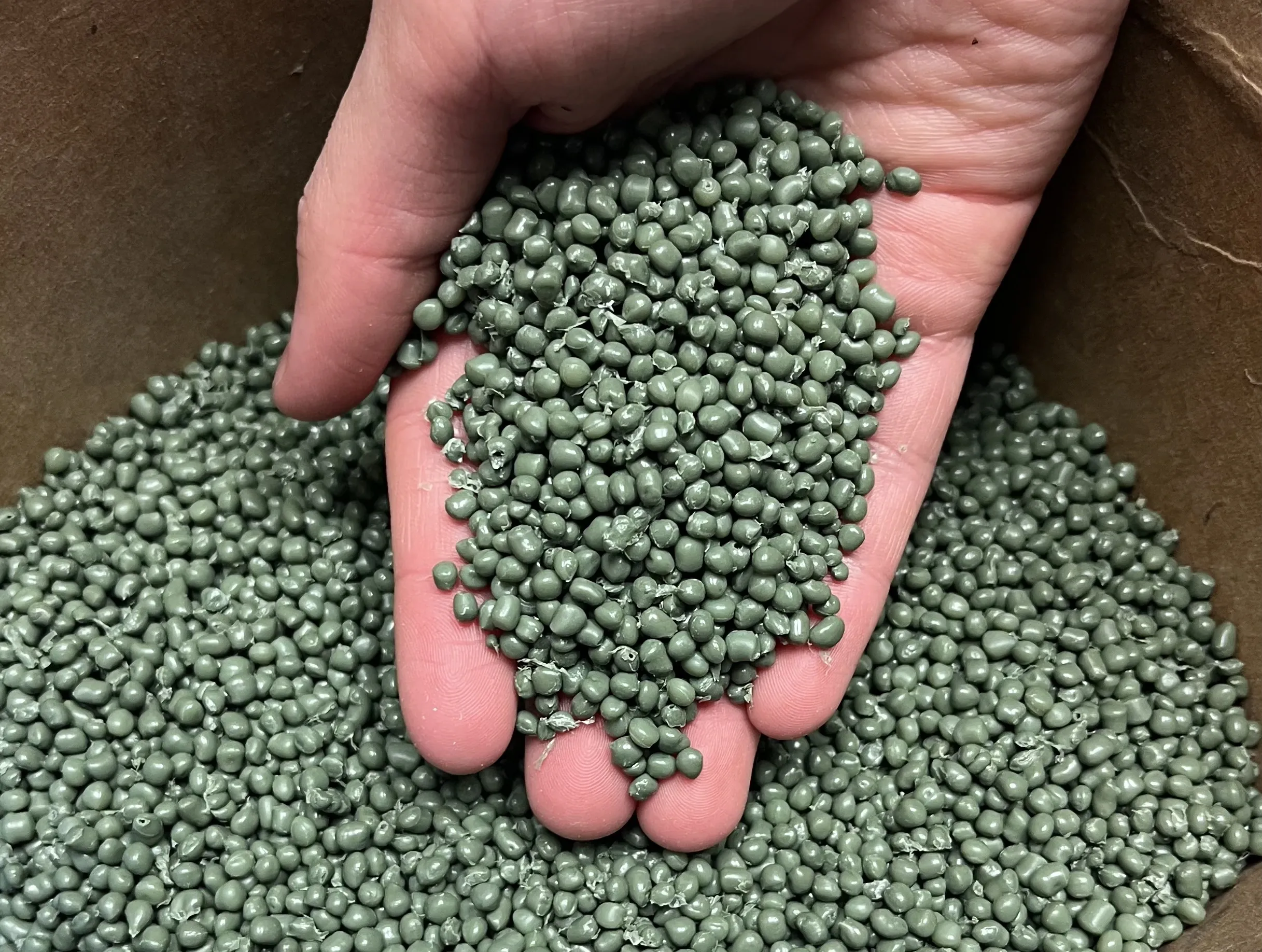
Circular manufacturing is a sustainable approach that moves away from the traditional “produce–use–discard” model. Instead, it focuses on reusing, recycling, and repurposing materials to create a closed-loop system that maintains value and reduces waste.
By integrating circular manufacturing practices, companies can:
- Reduce waste and landfill contributions
- Conserve natural resources like Polypropylene (PP), Polyethylene (PE), and Polystyrene (PS)
- Lower production costs and carbon emissions
- Strengthen ESG reporting and brand reputation
Industrial plastic waste plays a key role in circular manufacturing. By repurposing this material, businesses can maintain product quality while supporting sustainability goals and a more resilient supply chain.
Why Circular Manufacturing Matters
Canada produces nearly 4 million tonnes of plastic waste annually, yet only about 9% of it is recycled. This demonstrates a massive opportunity for businesses to embrace circular manufacturing, reduce landfill contributions, and capture economic value from materials that would otherwise be wasted. (Government of Canada)
Approximately 40% of the plastic produced each year is packaging (Geyer Roland), and plastic lost to waste in Canada is $8 billion yearly and expected to increase to more than $11 billion by 2030 (Environment And Climate Change Canada) underscoring the financial benefit of repurposing materials rather than discarding them (circulareconomymonth.ca)
Globally, less than 10% of the 400 million tonnes of plastics produced in 2022 were made from recycled content, highlighting the systemic reliance on virgin materials and the need for circular approaches (TheGuardian.com)
Circular Manufacturing FAQ
Q: What is circular manufacturing?
A: Circular manufacturing is a sustainable production approach that reuses, recycles, and repurposes materials instead of following the traditional “produce–use–discard” model.
Q: How does circular manufacturing help the environment?
A: It reduces landfill waste, lowers carbon emissions, and conserves natural resources like Polypropylene (PP), Polyethylene (PE), and Polystyrene (PS).
Q: Can businesses save money with circular manufacturing?
A: Yes. By reusing materials and reducing waste, companies can lower raw material costs and avoid disposal fees.
Q: How does the Government of Canada support circular manufacturing?
A: The Government of Canada provides funding, policies, and programs such as the Zero Plastic Waste Initiative to encourage businesses to reduce waste, use recycled materials, and implement sustainable manufacturing practices.
Q: Why is circular manufacturing important for ESG reporting?
A: It demonstrates environmental responsibility, strengthens sustainability credentials, and aligns with government and regulatory expectations, enhancing brand reputation.