Plastic Scraps in North America: Sources, Types and How They Are Recycled
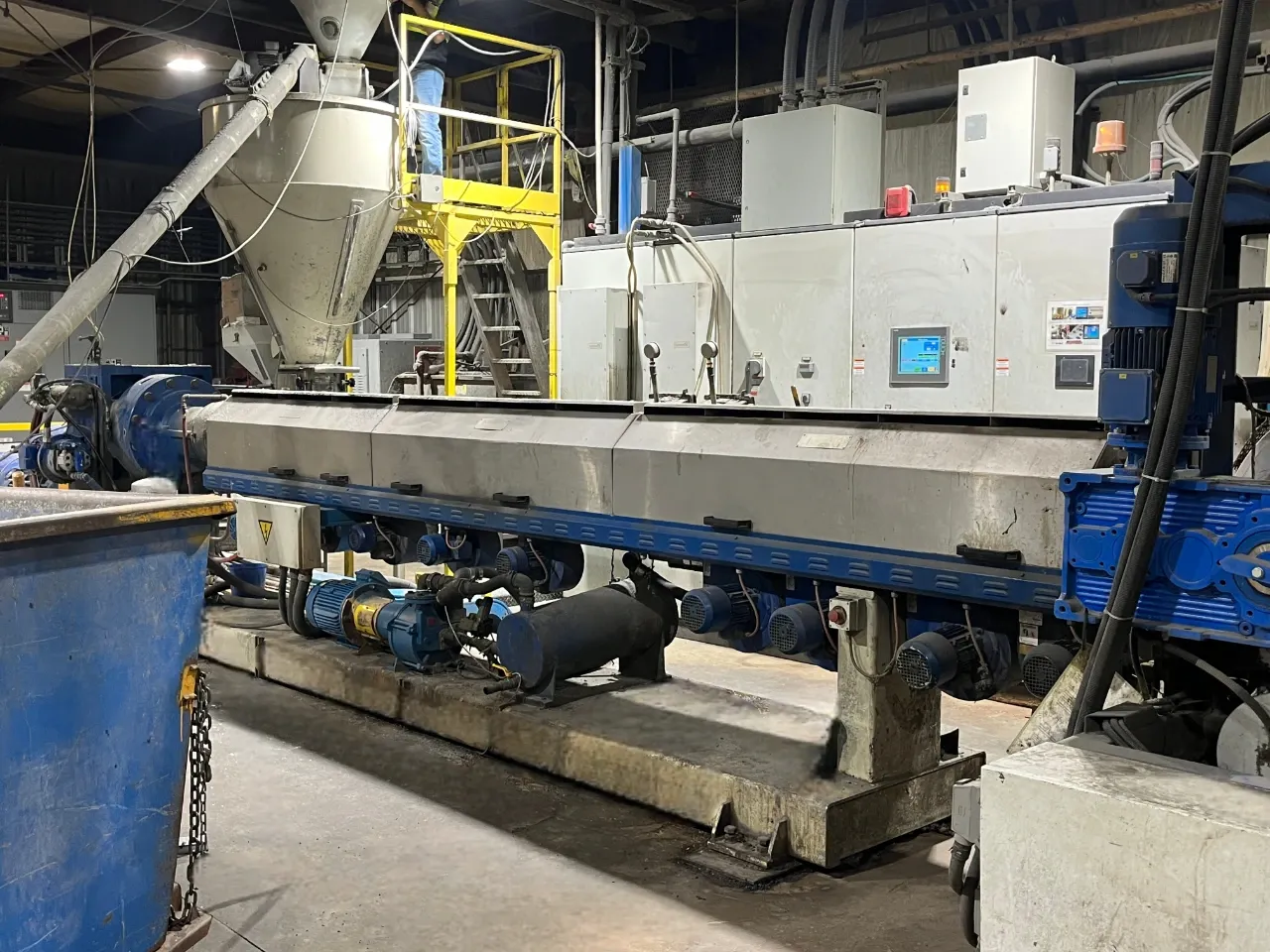
Plastic scraps are the leftover plastic a business produces while making, shipping or using products: trim, offcuts, rejected parts, purgings, film and worn-out containers. Most plastic in North America is still landfilled, yet clean scrap from manufacturing is among the easiest plastic to recycle. This article explains what plastic scraps are, which types can be recycled, where businesses generate them, how recyclers process them, and how to tell whether an industrial recycler such as EPL Plastics would accept a given stream.
Post-industrial vs post-consumer plastic
Recyclers sort plastic scraps into two broad groups, and the difference decides how easily the material can be recycled.
- Post-industrial (pre-consumer) plastic is waste created during manufacturing, before a product ever reaches a customer. Examples are production scrap, purgings, trim and off-spec parts (EPL Plastics). It is usually one known resin, clean, and produced steadily in large amounts.
- Post-consumer plastic is material that has already been used and thrown away, such as bottles, bags and food packaging collected from homes and businesses. It arrives mixed, dirty and in many resin types, so it must be sorted and washed before it can be reused.
Because post-industrial scrap is cleaner and more uniform, it recovers far better than mixed post-consumer material (EPL Plastics). Many industrial recyclers, including EPL Plastics, handle only post-industrial plastic.
Plastic waste in North America
Less than one tenth of the plastic thrown away in Canada and the United States is recycled.
- Canada (2016): about 3.3 million tonnes of plastic waste. Only 9% (305,000 tonnes) was recycled and 86% went to landfill (Deloitte for Environment and Climate Change Canada, via the House of Commons).
- United States (2018): about 35.7 million tons of plastic waste. Only 8.7% (about 3 million tons) was recycled and 27 million tons went to landfill (US EPA).
In Canada, packaging was the biggest source of plastic waste at 47%, followed by automotive at 9% and textiles and electronics at 7% each (Deloitte). The US figures cover municipal solid waste, so they mostly describe post-consumer plastic; industrial scrap recycled within manufacturing is tracked less completely in both countries.
The seven types of plastic
The number inside the recycling triangle is a Resin Identification Code. It tells you what plastic an item is made of, not whether it will be recycled (EPL Plastics). Each resin melts and behaves differently, so scraps must be kept separate to be recycled well.
#1 PET (polyethylene terephthalate)
- Common industrial scraps: bottle and preform rejects, thermoform trim, strapping
- Recyclability as clean scrap: good; strong markets for bottles
- EPL Plastics: case by case
#2 HDPE (high-density polyethylene)
- Common industrial scraps: pipe offcuts, blow-molding tails, drums, crates
- Recyclability as clean scrap: very good
- EPL Plastics: yes
#3 PVC (polyvinyl chloride)
- Common industrial scraps: window and siding profiles, pipe, cable jacketing
- Recyclability as clean scrap: possible, but needs separate handling
- EPL Plastics: case by case
#4 LDPE / LLDPE (low-density polyethylene)
- Common industrial scraps: film trim, roll ends, liners, bags
- Recyclability as clean scrap: good when clean and dry
- EPL Plastics: yes
#5 PP (polypropylene)
- Common industrial scraps: molded parts, caps, automotive trim, purgings
- Recyclability as clean scrap: very good
- EPL Plastics: yes
#6 PS (polystyrene)
- Common industrial scraps: molded parts, packaging, foam
- Recyclability as clean scrap: good as clean industrial scrap; rarely accepted curbside
- EPL Plastics: yes
#7 Other (ABS, TPE, polycarbonate, nylon, blends)
- Common industrial scraps: housings, seals, engineered parts
- Recyclability as clean scrap: depends on the exact material
- EPL Plastics: ABS and TPE commonly; others case by case
The EPL Plastics notes are based on its resin guide, which lists PP, PE and PS as materials it takes without question and PET, PVC and code 7 as situational.
Where businesses generate plastic scraps
Most recyclable plastic scraps come from the processes that shape plastic, because every process leaves material behind.
- Injection molding: sprues and runners (plastic left in the channels that feed the mold), flash, purgings, short shots and rejected parts. Typical resins: PP, PE, PS, ABS.
- Extrusion: start-up scrap, edge trim, and off-spec pipe, profile and sheet. Typical resins: HDPE, PVC, PP.
- Blow molding: tails and flash cut from bottles, and rejected containers. Typical resins: HDPE, PET.
- Thermoforming: the skeletal web left after trays or clamshells are cut from sheet. Typical resins: PET, PS, PP.
- Film and bag making: trim, roll ends and misprints. Typical resins: LDPE, LLDPE.
- Compounding and color changes: purgings and transition material between batches. Resins vary.
- Fabrication and machining: offcuts, drops and shavings from sheet and rod. Typical resins: HDPE, acrylic, polycarbonate.
These processes appear across many industries. Automotive plants produce bumpers, trim and interior parts; construction-product makers produce vinyl window and siding scrap; packaging plants produce bottle, cap and tray scrap; and electronics and appliance makers produce ABS and PS housings. Off-spec inventory, overruns and discontinued parts are another common source in all of them.
Non-manufacturing businesses (warehouses, retail, offices, food service) mostly produce post-consumer-type plastic such as used stretch wrap and packaging. That material is usually handled through municipal or commercial waste-diversion programs rather than industrial reprocessors.
How plastic scraps are recycled
Most plastic scraps are recycled mechanically: the plastic is cut, cleaned and melted without changing its chemical structure (US EPA). A typical industrial sequence:
- Identification and testing: the resin is confirmed and checked for contamination, sometimes with lab analysis.
- Size reduction: grinders, granulators and shredders cut parts and offcuts into small flakes called regrind.
- Densifying: light material such as film or foam is compacted so it can be fed and melted efficiently.
- Separation and cleaning: aspiration (air separation) removes dust and fines; other steps remove labels, metal or a second material.
- Blending and compounding: batches are mixed for consistency, and additives or colorants are added to meet a specification.
- Pelletizing: the melted plastic is extruded and cut into uniform pellets.
- Reuse: regrind or pellets go back into manufacturing, such as pipe, automotive parts, containers or composite decking.
EPL Plastics lists grinding, shredding, densification, separation, pulverizing, extrusion, pelletizing, blending and compounding among its processes (EPL Plastics). Some recyclers also offer toll processing, where the manufacturer keeps ownership of its scrap and pays to have it reprocessed and returned.
Advanced (chemical) recycling breaks plastic down into its chemical building blocks using heat or chemical treatment. It can handle plastics too contaminated or complex for mechanical recycling, but it is a newer and smaller part of the industry (US EPA).
What makes plastic scrap recyclable
Whether a recycler accepts scrap, and what it pays, depends on four things.
- Purity: one known resin is best. Two plastics that look alike can melt at different temperatures, and mixing incompatible resins weakens the recycled product.
- Cleanliness: scrap should be dry and free of dirt, oil, food, paper labels, metal inserts, tape and coatings.
- Form: loose regrind, bales of film, gaylords of parts and purgings are all workable; plastic bonded to another material (fabric, foam, metal) needs separation first.
- Volume and consistency: a steady stream of the same material, such as scrap from a production run, is easier to process and more valuable than a one-time mixed load.
Mixed or bonded scrap is not automatically rejected. In one EPL Plastics case study, an automotive manufacturer was recovering only about 15% of its carpet and sound-deadening scrap. After the recycler redesigned the separation process, recovery rose to about 85%.
Will EPL Plastics take my plastic scraps?
EPL Plastics is a family-owned industrial recycler in Brantford, Ontario, serving manufacturers in Canada and the northern United States (EPL Plastics). Based on its published guidance, scrap generally falls into three groups:
- Likely yes: post-industrial PP, HDPE, LDPE/LLDPE or PS, such as regrind, purgings, off-spec parts and production trim. ABS and TPE are also commonly processed.
- Ask first: PET, PVC, other code 7 plastics, blends, and plastic bonded to another material.
- No: post-consumer plastic collected from households, such as curbside bottles and bags.
Before contacting a recycler, it helps to know the resin type (from the part drawing, resin supplier or spec sheet), roughly how much scrap you generate per month, its form (loose, baled, ground, in gaylords) and any contamination. EPL Plastics can be reached through its contact page; acceptance of any specific stream is confirmed by the recycler, not by this article.